From supercontinent to archipelago: insights on the changing geoeconomic landscape

The Geoeconomics & the New World Order event explored how leaders can navigate a world where resilience, trust and adaptability are becoming sources of competitive advantage.
What are you still betting on, that you shouldn’t be betting on?
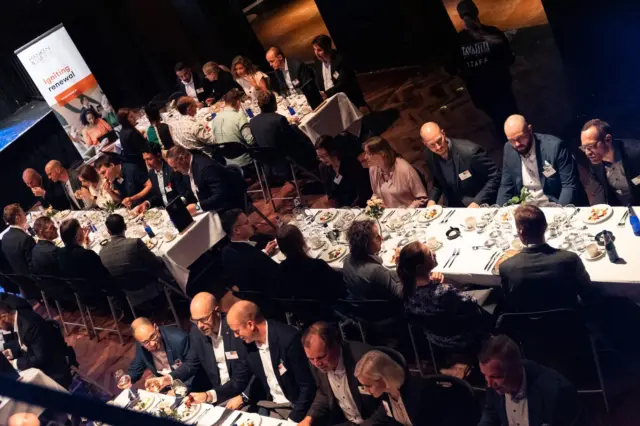
That was the question at the heart of Hanken & SSE Executive Education’s event Geoeconomics & the New World Order, held in the beautiful Wintergarden at Hotel St. George in Helsinki.
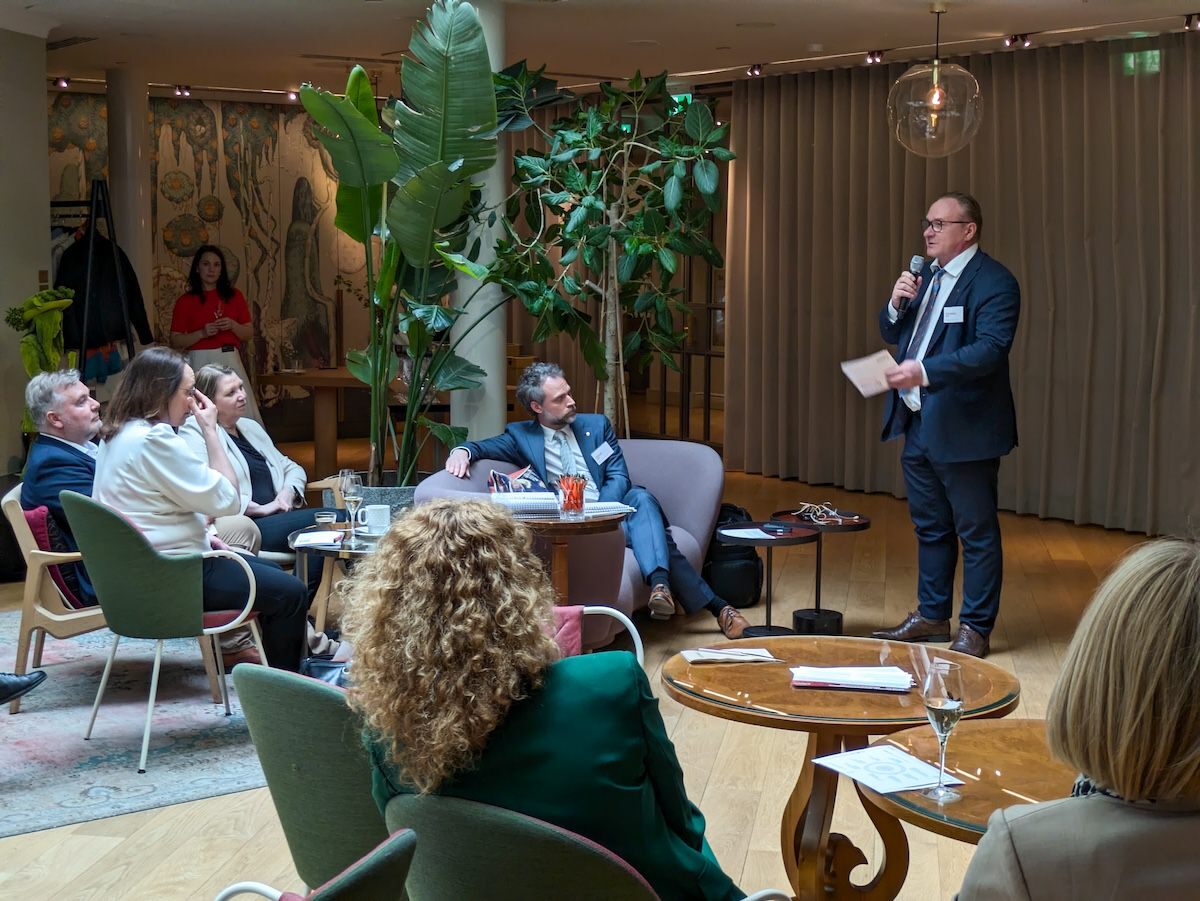
Opening the afternoon, Hanken & SSE CEO Marc Hinnenberg challenged participants to rethink assumptions many organisations have relied on for decades. The rules that have shaped 70 years of global business are no longer simply bending — they are breaking.
For organisations, this creates an urgent leadership challenge: how do we make strategic decisions when access, stability and predictability can no longer be taken for granted?
From supercontinent to archipelago
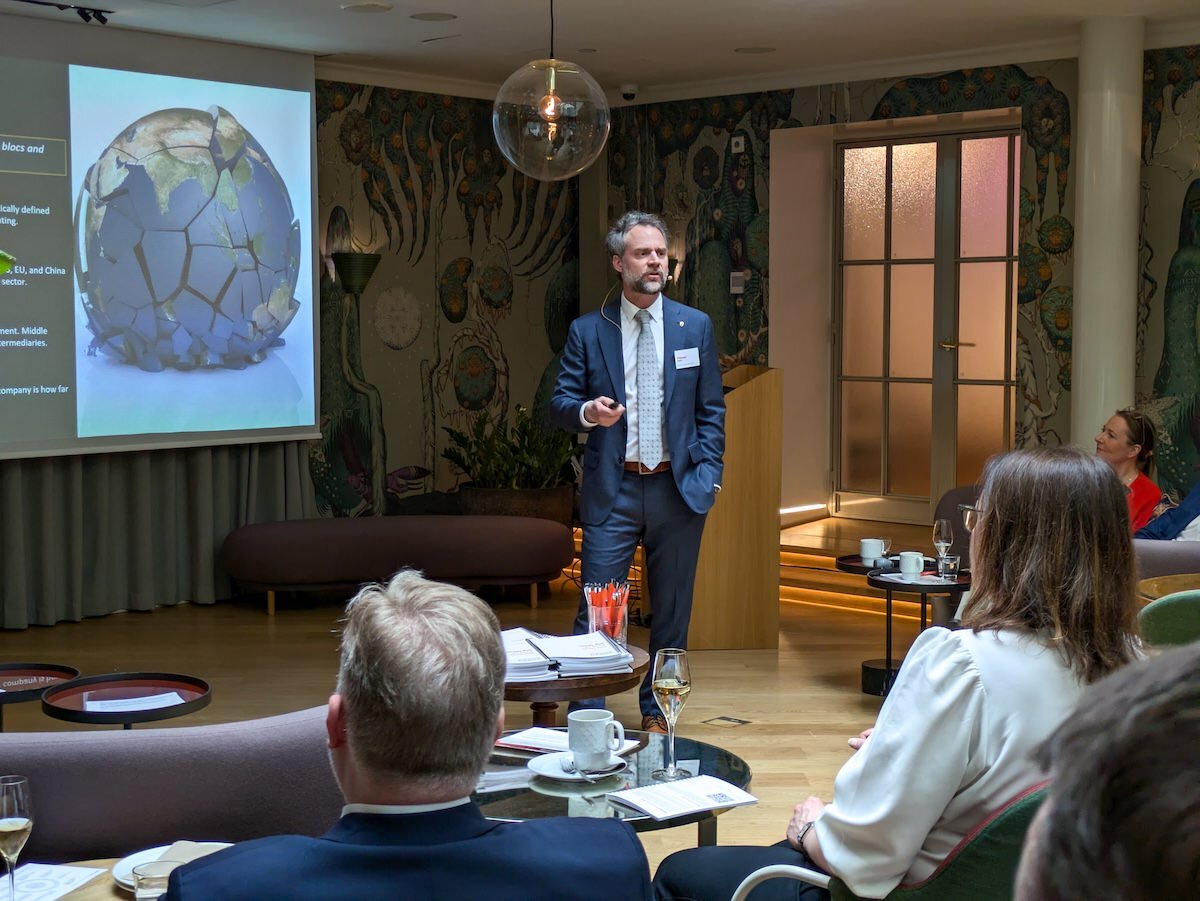
Mikael Wigell, CEO of the Economic Security Forum, framed the shift through a powerful metaphor. For a long time, many organisations have operated with a “supercontinent” mindset: the idea that markets, supply chains and resources are broadly connected, accessible and open.
Today, the world increasingly resembles an archipelago.
In this reality, organisations are still connected to others — but they must also become more conscious of their own vulnerabilities, dependencies and critical capabilities. Being open is still important. But so is being resilient, prepared for friction, and able to secure the flows, resources and partnerships that matter most.
The question is no longer only how to grow. It is also how to remain trusted, relevant and adaptable when conditions shift.
Geoeconomics in action
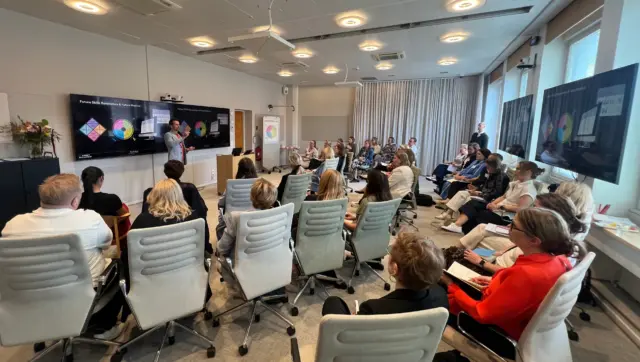
The afternoon continued with Christian Fjäder, PhD, Head of Research at the Economic Security Forum, who brought the topic into the boardroom.
Through a hands-on simulation, participants stepped into the role of decision-makers in a fictional company recently acquired by an American company. Faced with geoeconomic disruption scenarios, they had to weigh risks, dependencies and strategic choices in real time.
The exercise highlighted how quickly external friction can become a leadership issue, and how important it is for organisations to practise decision-making before disruption hits.
Prepared, trusted and adaptable
One clear takeaway from the afternoon was that resilience is not only a defensive capability. It is increasingly a source of advantage.
Organisations that understand their vulnerabilities, strengthen critical partnerships and prepare for uncertainty are better positioned to become trusted actors in a more fragmented world.
Geoeconomics is not a distant policy discussion. It is already shaping business decisions, supply chains, partnerships and growth opportunities.
And for leaders, it raises a vital question:
What are you still betting on, and what might it be time to rethink?
For leaders looking to build the insight and tools needed to navigate this new reality, explore our Mastering Geoeconomics programme.